10 Amazing Health Benefits of Eating Nuts Every Day. Nuts have been a staple in human diets for thousands of years. From almonds to walnuts, pistachios to cashews, these tiny nutrient-dense powerhouses offer far more than just a quick snack. Rich in healthy fats, proteins, vitamins, minerals, and antioxidants, nuts have been linked to better heart health, brain function, and overall well-being.
In recent years, researchers have extensively studied the benefits of nuts, and their findings are impressive. Eating a handful of nuts daily is now widely recommended by nutritionists and health experts worldwide. Whether eaten raw, roasted, or as nut butter, incorporating nuts into your diet can transform your health in significant ways.
In this blog, we’ll explore the top 10 health benefits of eating nuts daily and why you should make them a regular part of your diet.
10 Amazing Health Benefits of Eating Nuts Every Day
Table of Contents
1. Heart Health and Cholesterol Control
One of the most well-documented benefits of nuts is their impact on heart health. Nuts are rich in unsaturated fats—particularly monounsaturated and polyunsaturated fats—that help reduce LDL cholesterol (bad cholesterol) while boosting HDL cholesterol (good cholesterol).
- Walnuts, for example, contain high levels of omega-3 fatty acids that reduce inflammation and improve arterial function.
- Almonds have been shown to lower cholesterol levels and reduce the risk of plaque buildup in arteries.
Regular nut consumption is linked to a reduced risk of heart disease and stroke. In fact, a Harvard study found that people who ate nuts at least five times a week had a 20% lower risk of heart disease compared to those who rarely ate them.
2. Packed with Nutrients
Nuts are tiny packages of essential nutrients. Each type of nut offers a unique nutrient profile, but collectively, they are excellent sources of:
- Protein – Essential for muscle repair and growth.
- Healthy fats – Crucial for brain function and energy.
- Fiber – Supports digestive health.
- Vitamin E – A powerful antioxidant that protects cells.
- Magnesium – Important for bone health and energy metabolism.
- Selenium (in Brazil nuts) – Supports thyroid health and immunity.
A small serving (about 1 ounce or 28 grams) provides a concentrated dose of these nutrients, making nuts one of the most efficient natural snacks.
3. Weight Management and Appetite Control
Despite being high in calories and fat, nuts are not associated with weight gain when eaten in moderation. In fact, studies suggest that nuts may actually support weight management.
How?
- High satiety effect: Nuts are filling and reduce hunger due to their protein, fat, and fiber content.
- Lower calorie absorption: The body doesn’t absorb all of the fat in nuts because some of it remains trapped in the fibrous walls during digestion.
- Improved metabolism: Nut consumption has been linked to increased fat burning and improved energy expenditure.
Replacing processed snacks with a handful of nuts can help you control cravings and maintain a healthier weight.
4. Blood Sugar Regulation
Nuts have a low glycemic index, meaning they don’t cause rapid spikes in blood sugar. This makes them an excellent snack option for people with diabetes or insulin resistance.
- Almonds: Research shows that eating almonds after meals helps control blood sugar levels.
- Pistachios: Studies have found that pistachios improve insulin sensitivity and lower blood sugar.
Additionally, the magnesium found in many nuts plays a key role in glucose metabolism. Regular nut intake has been linked to a reduced risk of type 2 diabetes.
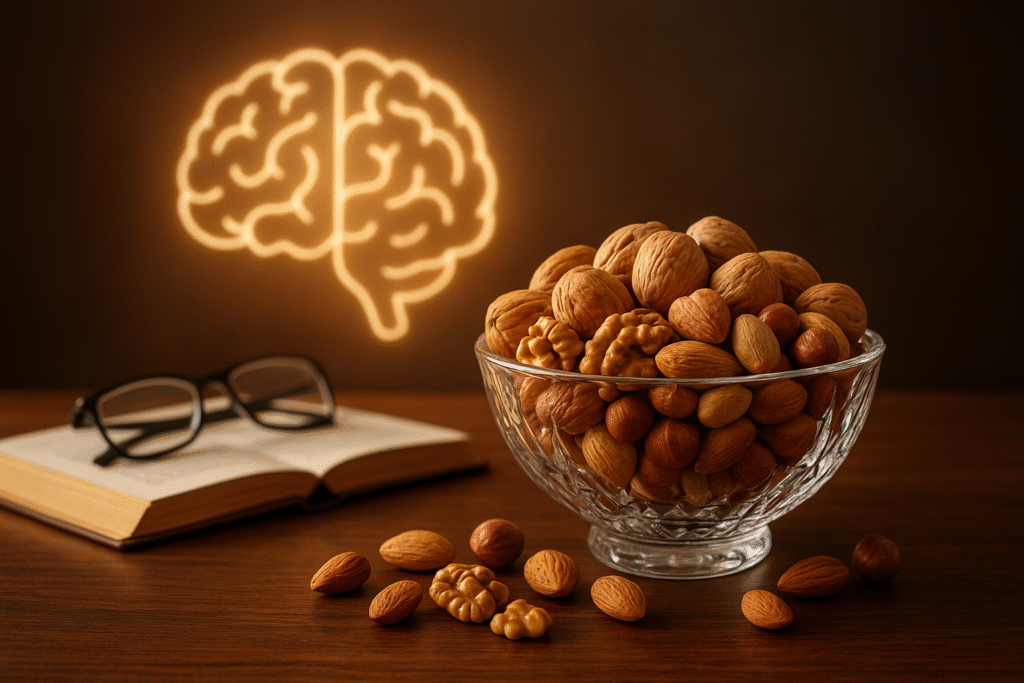
5. Brain Health and Cognitive Function
Nuts are often referred to as “brain food”—and for good reason. They are packed with healthy fats, antioxidants, and compounds that support brain health.
- Walnuts contain DHA, a type of omega-3 fatty acid vital for brain development and function.
- Vitamin E in nuts helps protect brain cells from oxidative damage, which is associated with age-related cognitive decline.
Several studies have suggested that people who consume nuts regularly perform better on memory and cognitive tests. Including nuts in your diet may help reduce the risk of Alzheimer’s disease and dementia.
6. Anti-Inflammatory Properties
Chronic inflammation is linked to many serious health conditions, including heart disease, diabetes, arthritis, and cancer. Nuts are rich in antioxidants and phytochemicals that help fight inflammation.
- Walnuts and almonds are particularly known for their anti-inflammatory properties.
- The polyphenols found in nuts reduce oxidative stress, a key driver of inflammation.
By eating nuts daily, you may lower your risk of chronic disease and support long-term health.
7. Gut Health and Digestion
The fiber in nuts does more than just keep you regular—it also acts as a prebiotic, feeding the beneficial bacteria in your gut. A healthy gut microbiome is essential for digestion, immunity, and even mental health.
- Almonds and pistachios have been shown to increase beneficial gut bacteria, which produce short-chain fatty acids that improve colon health.
- The combination of fiber and healthy fats also supports smooth digestion.
Adding a variety of nuts to your diet can help balance your gut microbiome and improve overall digestive function.
8. Strong Bones and Joints
Nuts are an excellent source of minerals like magnesium, calcium, and phosphorus—all of which are vital for maintaining healthy bones. Regular consumption of nuts helps:
- Strengthen bone density.
- Reduce the risk of osteoporosis.
- Support joint flexibility and reduce inflammation-related joint pain.
Almonds and Brazil nuts are especially beneficial due to their high magnesium content, which aids calcium absorption.
9. Cancer Prevention Potential
Some studies suggest that nut consumption may help reduce the risk of certain types of cancer. This is likely due to their rich antioxidant profile, fiber, and anti-inflammatory compounds.
- Walnuts contain ellagic acid, which has been shown to slow cancer cell growth.
- Brazil nuts are high in selenium, a mineral linked to reduced cancer risk.
While nuts alone cannot prevent cancer, including them as part of a healthy lifestyle can provide additional protective benefits.
10. Longevity and Overall Well-Being
Perhaps one of the most inspiring benefits of nuts is their link to longevity. Multiple large-scale studies have found that people who eat nuts regularly tend to live longer.
For example, the Nurses’ Health Study and Health Professionals Follow-Up Study—which followed nearly 120,000 people over 30 years—found that regular nut eaters had a 20% lower risk of death from all causes, including heart disease, respiratory disease, and cancer.
By reducing the risk of multiple chronic diseases and promoting overall vitality, nuts can be a powerful ally in extending both lifespan and healthspan.
How to Incorporate Nuts into Your Daily Diet
If you’re ready to reap the benefits of nuts, here are some easy ways to add them to your meals:
- Snack on a small handful of mixed nuts.
- Add chopped almonds, walnuts, or pistachios to salads.
- Blend cashews into smoothies for creaminess.
- Use nut butters as spreads or in oatmeal.
- Sprinkle crushed nuts over yogurt or desserts.
- Include nuts in homemade granola or energy bars.
Pro Tip: Stick to unsalted, raw, or dry-roasted nuts to avoid excess sodium and added sugars.

Final Thoughts
Eating nuts daily is one of the simplest yet most effective dietary habits you can adopt for better health. From protecting your heart and brain to supporting digestion, weight management, and longevity, nuts are truly a superfood.
Just one handful a day (about 28 grams) can provide life-changing benefits. So the next time you’re looking for a snack, skip the chips and reach for some nuts instead—your body and mind will thank you.